
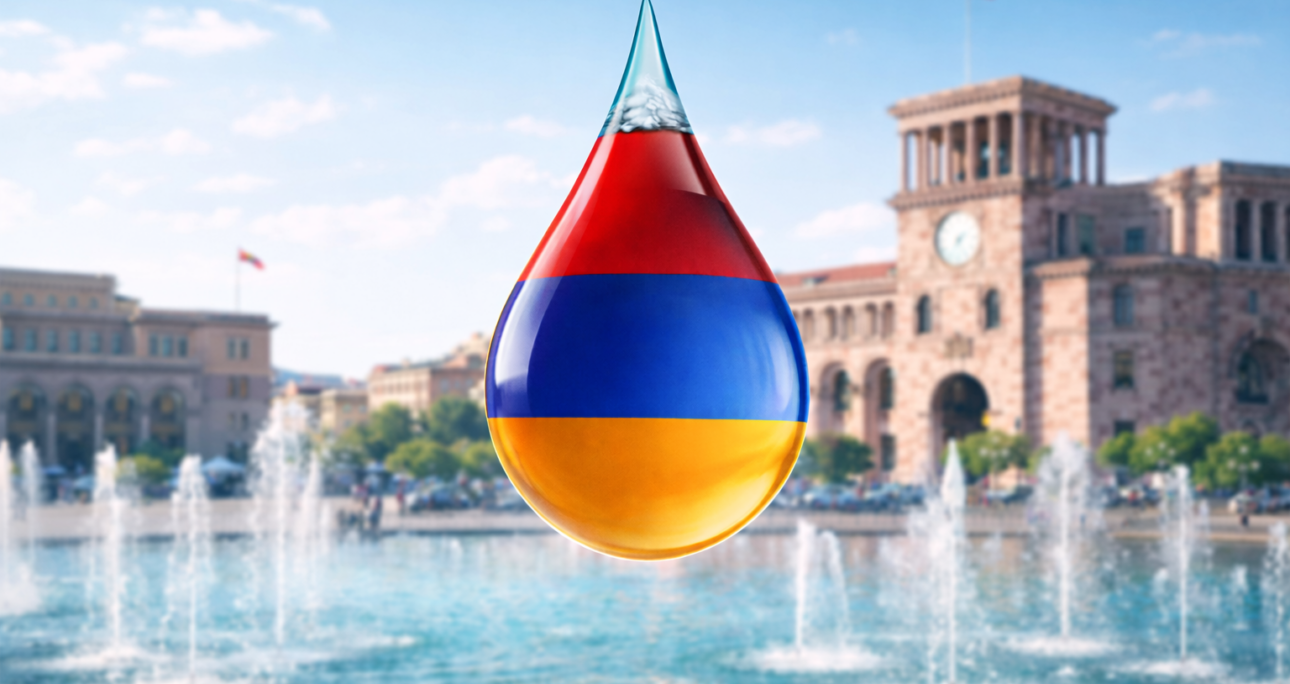
Is Armenia Running Out of Drinking Water?
Subtitle: What I Learned After Talking to a Water Expert
Armenia is often described as a country rich in water, mountain springs, underground sources, clean, and cold tap water.
So when conversations about water shortages come up, they usually feel distant, almost irrelevant.
I heard a shocking statistic from a friend of mine, Lusine who is a journalist at CivilNet and has done multiple episodes about water in Armenia. I had the honor of having her as a guest on my YouTube channel, where we discussed how inefficiently Armenia is using its water resources and raised the question: should we be worried about our water security, despite the fact that Armenia is considered a water-rich country? Does Armenia still qualify as a water-rich country?
The shocking statistic was that about 65% of the water coming into Armenia is being wasted and not used properly. That’s more than half!
But the real issue here isn’t whether Armenia has water. It’s about how that water is managed, how it moves through the system, and where pressure quietly builds.
Is Yerevan’s Tap Water Actually Good?
Yerevan is supplied by 11 main water sources, most of them underground. And that’s actually a big plus.
Underground water is naturally more stable and better protected than surface water, which means it usually starts off in pretty good shape.
Because of this, the treatment at the source is fairly simple. In most cases, the water is mainly chlorinated, not to “fix” bad water, but to keep it safe as it travels through the system.
On paper, it works. When source water is good and infrastructure is well maintained, chlorination can be enough. But the real challenges don’t start there. They begin once the water leaves the source and enters the distribution system. The pipes of Armenia date back to Soviet times and haven’t been changed in ages. This causes all sorts of problems on the trajectory of water. So from the moment it leaves the treatment plant all the way to your home or pulpulak, it might face many accidents.
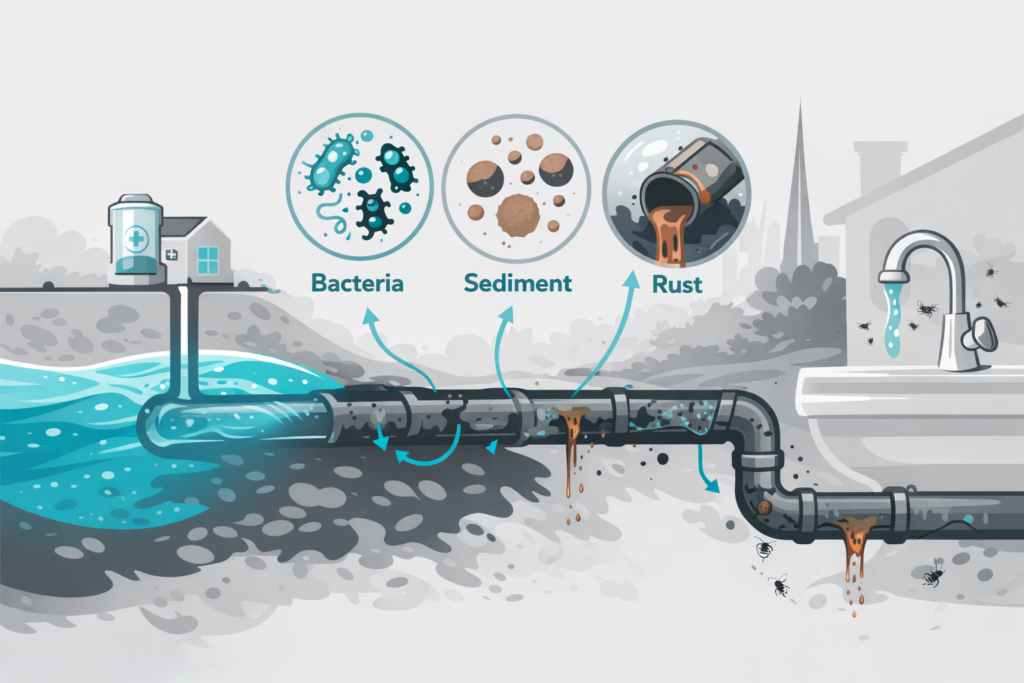
Tip: Water quality should be tested at your home tap, not the treatment plant for accurate results.
Water Accessibility in Armenia: A Problem We’re Already Living With
Much of Armenia’s water infrastructure was built decades ago for a smaller population and a very different level of demand.
The system simply wasn’t designed for the way cities like Yerevan look today. For example, if you take a population of 1,000 people living on Abovyan Street back then versus 10,000 people now, the infrastructure just can’t keep up. The pipes were originally installed smaller because there wasn’t a need for more capacity at the time. But with rising demand, we now need larger pipes to allow more water to flow through.
Another factor that may be taken into consideration, and it’s the real reason as to why Armenia is losing most of its water is not due to the size of its pipes but the weariness of the pipes. The pipes are so old that some have been torn from use and a noticeable amount never makes it to the tap. So a large quantity is lost along the way because of:
- old and worn-out pipes
- leaks and pressure drops
- outdated distribution facilities
In older urban systems, losing a significant share of treated water before it reaches homes isn’t unusual. This helps explain why some neighborhoods in Yerevan already experience nighttime water shortages, even though the water itself exists.
At the same time, construction continues. New buildings keep connecting to the same network. Demand goes up but the water sources and the infrastructure carrying that water stay the same.
Wastewater Treatment Gaps in Armenia’s Regions
While it’s clear and understandable why Armenia is losing so much of its water, there’s another major issue at hand is water quality. In many parts of Armenia, water treatment relies mainly on physical filtration and basic disinfection, while proper chemical wastewater treatment is often lacking or completely absent. This becomes an issue in parts of Armenia where there are high mining activities as the water becomes very polluted and that type of treatment isn’t enough anymore.
Moreover, wastewater issues come into place. This is a widespread issue in regions like Lori, where sewage is discharged into rivers without adequate treatment. In the past, a wastewater treatment plant in Vanadzor was meant to address this problem, but it is no longer operational. As a result, large areas are left without effective wastewater treatment.
This gap has a direct impact on river water quality. The issue is especially visible in the Debed River basin, where pollution from ponds and untreated sewage flows into the river system.
Some rivers, including the Akhtala River, are heavily polluted.
Water Overuse in Armenia’s Ararat Region: When Demand Exceeds Supply
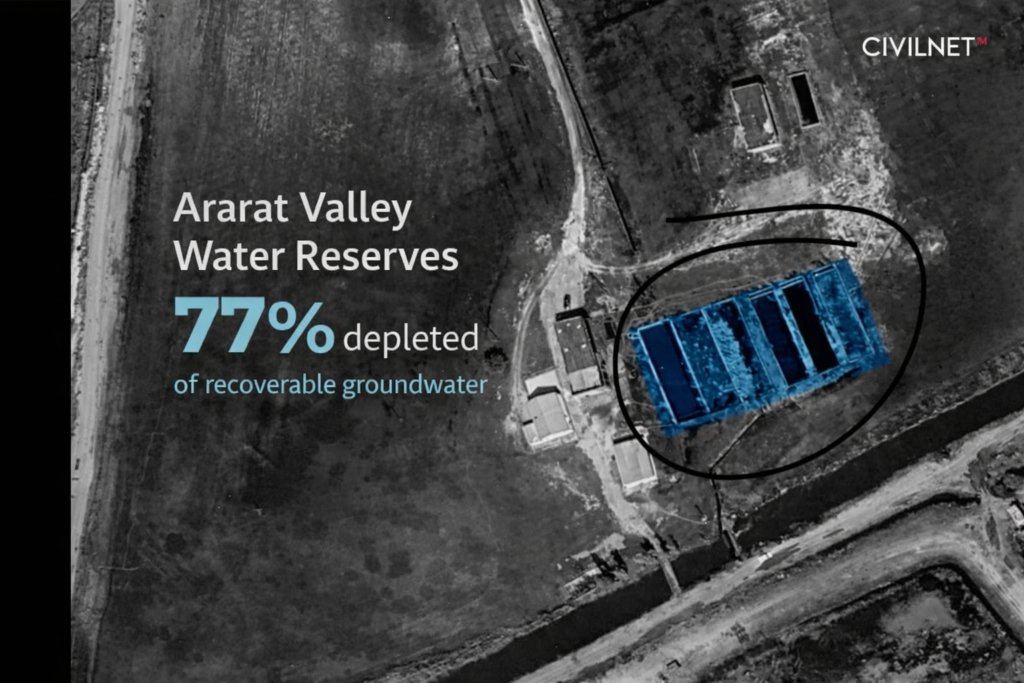
There’s a reason the Ararat Region keeps coming up in conversations about water in Armenia. As I dug deeper, it became clear that it’s not about access here, it’s about overuse.
Based on estimates discussed in the interview, the numbers don’t quite line up:
- around 1.1 billion m³ of water can be sustainably restored each year
- yet roughly 1.6 billion m³ is currently being used
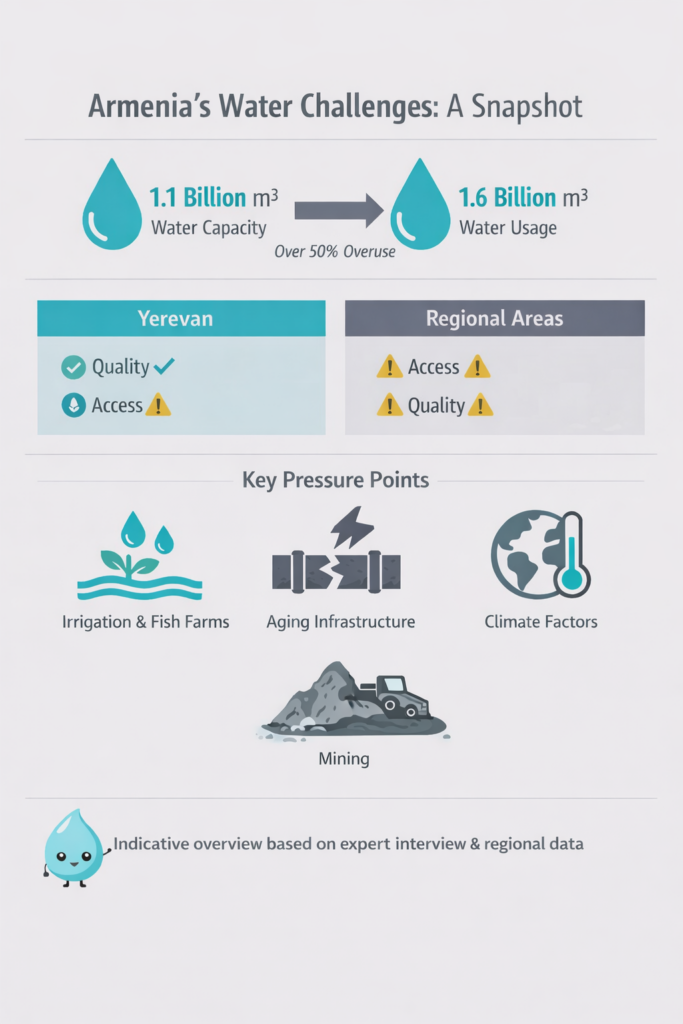
A large share of this water goes to fish farms. Many of them operate open systems, where water is taken once, used, and then released, without reuse or filtration. Over time, this kind of system puts serious pressure on already limited water resources.
Drinking Water vs. Irrigation Water: A Growing Challenge for Armenia and Yerevan
The more I looked into Armenia’s water situation, the more one thing surprised me: how often drinking water ends up being used for irrigation.
From a water-management perspective, this is a mismatch. International frameworks clearly separate drinking water needs from irrigation water needs for a reason. The quality required to grow plants is very different from the quality required to drink safely.
When treated drinking water is used for irrigation, it puts unnecessary pressure on potable water systems and speeds up depletion, especially in regions where supply is already limited.
Insight: Not all water needs to be drinking water. But drinking water should never be wasted.
P.S. Here I test my own tap water at home and break down what’s really going on.
Tip: Water filtration can help address issues that may appear after water enters the distribution system.
Alternative Water Resources and the Role of Storage in Armenia
When questions about water shortages come up, it’s natural to ask what other water resources Armenia can rely on. One important option is water storage, particularly through reservoirs and dams.
For example, the first dam built in the Republic of Armenia is currently in the process of filling and is expected to reach full capacity in the coming years.
There are also plans to develop additional waterways, reflecting a broader trend seen around the world, water infrastructure projects are being built faster as pressure on water resources grows.
Water in Armenian Culture and Language
Beyond infrastructure, water holds a deep cultural meaning in Armenia. Traditional sayings reflect how closely everyday life has always been tied to it , linking water to purity, time, and balance.
Expressions like “Water for the young, words for the elderly,” “What the water brought, the water will take away,” and “You’re like clean water” show how water is used to describe character, change, and wisdom. Even today, these phrases quietly remind us that water in Armenia has never been just a resource, but something woven into language, values, and daily thinking.
Final Thoughts
Armenia’s water challenge is not about scarcity, but about management, distribution, and use.Issues like infrastructure strain, overuse, and water quality beyond the capital are closely linked, even if they don’t always look that way at first.
You can watch the full interview with a water expert here for a deeper look.
Summary
- Armenia’s water challenge is not about having water, but how it’s managed and used.
- Yerevan’s tap water starts off in good condition, but aging infrastructure leads to losses and nighttime shortages in some areas.
- New construction increases demand while the same water system carries the load.
- Drinking water is often used for irrigation, adding pressure to potable supplies.
- In regions like Ararat and northern Armenia, overuse and pollution affect rivers and water quality.
- Water in Armenia is both a resource and a cultural symbol, deeply tied to everyday life.
- Armenia has a lot of mining areas and that are posing real risks to the water quality
Do’s and Don’ts
Do: Learn where your water comes from (local utility or municipality websites are a good start)
Don’t: Use drinking water for irrigation when alternatives exist
Do: Pay attention to pressure changes and nighttime outages when the water comes back, it’s often dirtier than before.
Don’t: Ignore early warning signs in your building or neighborhood, install a filter for your safety.
Do: Remember that clear water isn’t the same as clean water.
Don’t: Assume “mountain water” stays untouched from source to tap
FAQ
Is tap water in Armenia safe to drink?
Yes, in many areas, especially in large cities, tap water is generally considered drinkable at the source. However, things can change by region and even by building. Old pipes, storage tanks, or maintenance issues can affect the taste or quality by the time it reaches your glass. For people who like to be cautious or simply want peace of mind, basic filtration is still an easy and practical solution.
Why do some households experience low pressure or water cuts?
Low pressure or temporary water cuts are often related to infrastructure limitations, maintenance work, or increased demand, especially during summer months. They are usually not caused by a lack of water at the source.
Is bottled water safer than tap water in Armenia?
Not necessarily. Bottled water and tap water are subject to different regulations and monitoring systems. Safety depends on the source, handling, storage, and testing, not on whether the water comes in a bottle or from a tap.
Why is water management important if Armenia has natural water sources?
Natural sources alone don’t guarantee long-term water security. More than 60% of the water of Armenia is being misused. Water must be stored, treated, and distributed efficiently. Poor management or overuse can create problems even in water-rich regions.
Can water quality vary within the same city in Armenia?
Yes. Water quality and pressure can vary depending on building age, internal plumbing, storage tanks, and distance from supply points. This is why experiences can differ even within the same neighborhood or different seasons.