
Have you ever thought about how much water you really use in a day? Probably not, but it’s more than you think. Every morning, we go through routines almost automatically: wash our face, brush our teeth, take a shower, make coffee. Sounds normal, right?
But if you add all these small actions together like leaving the tap running while you lather, rinsing vegetables under a stream, or taking long showers…you start to see a bigger picture. These tiny habits create two major problems globally: increased usage of CLEAN water => increase the amount of DIRTY water.
The Dinosaurs’ Water Is Still Here But Can We Drink It?
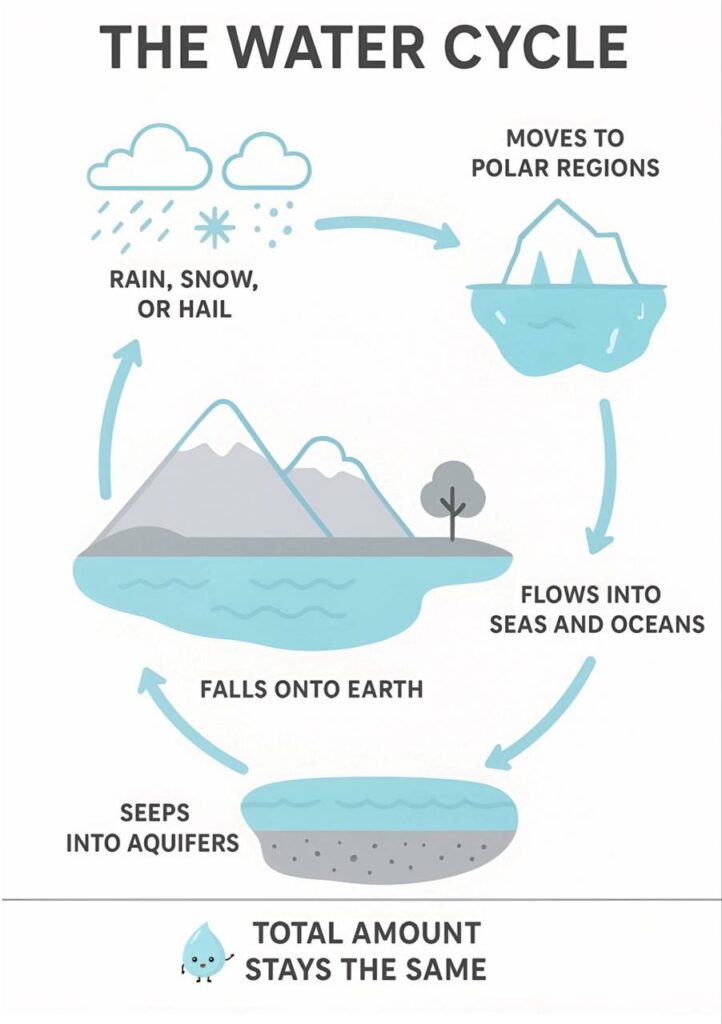
Believe it or not, the amount of water on Earth today is roughly the same amount of water the dinosaurs drank millions of years ago.
Let’s remove the dinosaur, it doesn’t really look nice
But here’s the catch: most of that water is constantly cycling through aquifers, rivers, lakes, and oceans and not all of it is safe for us.
Modern cities, industrial growth, and intensive agriculture have pushed freshwater demand to levels where clean, potable water is under pressure. We still have plenty of water in total, but without proper treatment and purification, much of it isn’t suitable for drinking.
Why Clean Water Isn’t Always Within Reach
Even though there’s plenty of water on Earth, why is access to safe, clean drinking water still a challenge? I wanted answers, so I went straight to the experts.
At the World Future Energy Summit, I interviewed Youssef Brouziyne, regional representative for the International Water Management Institute. His insights helped me connect the dots between our everyday water habits, water security, and the global challenges of ensuring potable water for everyone.
Brouziyne emphasized that we’re facing a shortage of secure and clean water, not just a shortage of water.
“Demand on water is increasing,” he explained. “Urbanization, agricultural expansion, and industry push consumption up while climate change and pollution reduce available freshwater resources. Securing water means ensuring both quantity and quality.”
He also pointed out that agriculture remains the largest global consumer of water. Water-scarce regions, including parts of the Middle East and North Africa, face decreasing rainfall and limited groundwater recharge. The imbalance—rising demand paired with shrinking supply—makes water security a critical priority for communities and governments alike.
Why Water Quality Is a Key Factor in Global Water Scarcity
Understanding water scarcity isn’t just about quantity—it’s also about quality. Even when water is available, human activity can change its makeup before it reaches our taps.
As someone deeply involved in water sustainability, I’ve seen firsthand how pesticides, excess fertilizers, industrial runoff, and even household chemicals make their way into rivers, lakes, and groundwater. Depending on what mixes together, they can completely change the chemistry of the water. We often forget that water is a chemical — H₂O — and it reacts with whatever it touches. So when we don’t take care of the environments around our water sources… well, it all ends up in the water and triggers reactions. If that reaction happens to be harmless, we’re lucky. But who’s actually calculating these risks or regulating these limits? In some regions, treated wastewater contributes significantly to the drinking supply. Techniques like coagulation, filtration, reverse osmosis, disinfection, and mineral adjustments make this water safe but they’re energy-intensive. I’ve learned that water is a cycle and smallest choices really matter. From the cleaning products we use to how we manage water in gardens or kitchens, every action affects water quality. When communities adopt water-smart habits, the collective impact is enormous, helping preserve clean, secure water for everyone.
Tip: Be mindful of your daily actions, everything from what you pour down the sink to how you care for your garden impacts the water we all share.
How to waste less water in your daily habits
As someone who cares deeply about water sustainability, I pay attention to my habits. But I still find moments where I think, “I can do better.” Those tiny adjustments add up, and I want to share the ones that made a real difference for me.
Leaving the tap running while brushing or washing hands
It’s easy to forget that water keeps running while lathering or rinsing. Turning the tap off until it’s needed can save liters every day.
Long showers
Warm showers feel great, but spending extra minutes just enjoying the flow wastes water. Cutting even a few minutes saves dozens of liters each time.
Running half-empty dishwashers or washing machines
These appliances use almost the same water whether half-full or fully loaded. Waiting until there’s a full load reduces unnecessary water use.
Overwatering gardens or plants
Watering at midday often evaporates before it reaches roots. Switching to early morning or late evening watering makes the same amount of water go further.
Reboiling kettles repeatedly Boiling more than needed or reheating water multiple times wastes both water and energy. Keeping extra hot water in an insulated container solves the problem.
Avoid pouring oils, paints, or chemicals down the drain
These everyday chemicals can harm water quality if poured down sinks. Properly disposing of them at authorized collection points prevents pollution.
Avoid buying fast fashion or low-quality textiles
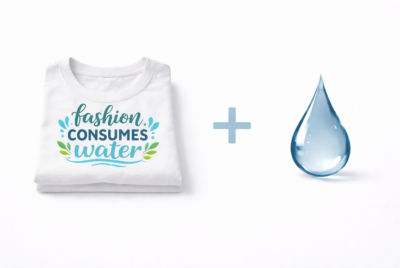
Cheap clothing comes with a hidden water cost. Choosing durable, repairable pieces keeps your wardrobe stylish while conserving precious water.
And of course, many other industries also consume huge amounts of water, but these examples are enough for this blog.
Final Thoughts
Water is precious, and our daily routines affect it more than we realize. Every small change, turning off a tap, shortening showers, reusing water, or choosing low-footprint products adds up to protect clean, safe water for ourselves and future generations. I found this cool website that calculates your water footprint. Mine was 71 gallons ≈ 268.7 liters, what’s yours?
Start with one habit, build on it week by week, and see how simple choices can make a real difference.
Summary
- We have about the same amount of water as we used to when dinosaurs were around
- We waste more water daily than we realize through small habits.
- Cities, farming, and industry push freshwater (drinking water) demand higher.
- Pollution from chemicals, farming, and industry changes water chemistry => quality
- Simple habit changes like shorter showers, full laundry loads, and mindful gardening save lots of water.
Curious to learn even more? I go into greater detail in my YouTube video. Watch it here and explore the full story.
Or if you just want quick fun facts, here’s another blog
FAQ — Water, Habits, and Quality
Is the water I drink today the same water dinosaurs drank?
Surprisingly, yes! The total water on Earth hasn’t changed much in millions of years. Most of it moves through aquifers, rivers, lakes, and oceans, but only a portion is safe to drink without proper treatment.
Why is clean drinking water still a problem if there’s so much water on Earth?
Because we’re using much more “clean” water, we end up creating much more “dirty” water. Think about it this way: if you take a short shower under 5 minutes, you only use what you need. But if you shower for 15 minutes, you waste extra “clean” water and turn it into “dirty” water as it goes into the wastewater system. Now that water can’t be used again until it’s treated and cleaned all over again. So water scarcity isn’t just about volume, it’s about quality and availability. Urbanization, industrial growth, agriculture, climate change, and pollution all put pressure on freshwater resources.
Can treated wastewater really be safe to drink?
Absolutely. Modern treatment methods, including filtration, reverse osmosis, disinfection, and mineral adjustments, make reclaimed water potable. It’s energy-intensive but effective. So I’m sorry to those who believe in water energy and water holding memory because it seems like our water will hold many of our “greatest hits” before it ever reaches the tap again (no offense if you’re one who believes in this).
How do daily habits affect water?
Simple actions like leaving taps running, overwatering plants, or repeatedly reheating kettles add up. even laundry choices and clothing purchases influence our “hidden water” consumption. and there’s much more — from the water used to grow the food you eat, to the water needed to make the clothes you wear, and yes, even the water used to power the AI you use every day.
How can small individual actions really make a difference?
When millions adopt water-smart habits like turning off taps, shorter showers, efficient irrigation, responsible chemical disposal, choosing low-footprint products, the collective impact on water conservation is huge. But also, we need to look at this from a more global perspective and bring systematic changes.
What’s the easiest first step to start saving water?
Pick one habit this week: maybe turn off the tap while brushing or load the dishwasher fully. Build on small wins week by week to see real change.